Basicschrift: The Handwritten Font for Modern Design
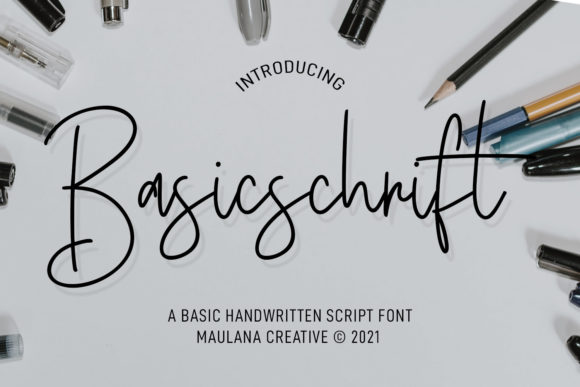
In the digital age, where polished perfection often dominates, a touch of human warmth can make a design truly memorable. This is where Basicschrift, a simple and flowing handwritten font, excels. It’s a versatile tool that instantly adds personality and approachability, making it an essential asset for any designer's toolkit looking to create authentic connections.
Understanding the Power of a Handwritten Style
Typography is a cornerstone of visual communication. While serif and sans-serif fonts convey stability and modernity, a handwritten typeface like Basicschrift introduces emotion and narrative. Its casual elegance bridges the gap between formal professionalism and friendly relatability. This adaptability is crucial in today's design landscape, where brands strive to stand out while remaining accessible. The flowing letterforms of Basicschrift provide a sense of movement and creativity, guiding the viewer's eye in a natural, engaging way.
Practical Applications Across Creative Projects
The true value of a font lies in its application. Basicschrift’s friendly aesthetic makes it suitable for a wide array of projects, enhancing both visual appeal and user experience.
- Branding and Logo Design: Use Basicschrift for logos, taglines, or brand elements where a personal, artisanal, or boutique feel is desired. It works beautifully for lifestyle brands, cafes, handmade goods, and creative studios.
- Marketing Materials: From brochure headlines to call-to-action buttons, it draws attention without being aggressive. Its readability at various sizes makes it perfect for flyers, posters, and digital ads.
- Social Media Graphics: Create standout quotes, announcements, and stories. The font's inherent warmth increases engagement and shareability, helping your content feel more personal and less corporate.
- Website and UI Design: Strategically use Basicschrift for hero section headings, testimonial quotes, or special feature callouts. It adds visual interest and breaks up monotonous text, improving the overall user interface (UI) experience.
- Editorial and Packaging Design: In book covers, magazine features, or product packaging, it can evoke a specific mood—be it whimsical, authentic, or cozy—strengthening the narrative and shelf appeal.
Integrating Basicschrift into Your Design Workflow
Selecting a font is just the first step. To maximize its impact, consider these practical tips for integration:
- Prioritize Readability and Hierarchy: While decorative, Basicschrift is designed for clarity. Use it for headlines or key phrases, and pair it with a clean, neutral sans-serif for body text to maintain a strong visual hierarchy and ensure readability across all devices.
- Maintain Brand Consistency: If incorporating Basicschrift into a brand identity, define its specific use cases. Is it for all headings, or only for marketing campaigns? Consistency in typography reinforces brand recognition.
- Test Across Contexts: Evaluate the font at different scales, on various backgrounds, and in both digital and print mockups. Check its performance in your color palette to ensure legibility and aesthetic harmony.
- Align with Audience Expectations: Consider your target demographic. A handwritten font resonates strongly with audiences seeking authenticity, creativity, and a personal touch, but may need careful pairing in more formal contexts.
Ultimately, the most effective designs are those that communicate not just information, but feeling. Basicschrift offers a simple yet powerful way to inject that feeling into your work. By thoughtfully selecting and applying such creative assets, designers and creators can elevate their projects from merely functional to truly resonant, ensuring their visual communication is as engaging and effective as possible. Quality typography remains a fundamental pillar of professional design, and a versatile font like this provides the means to achieve both beautiful aesthetics and clear, human-centric messaging.