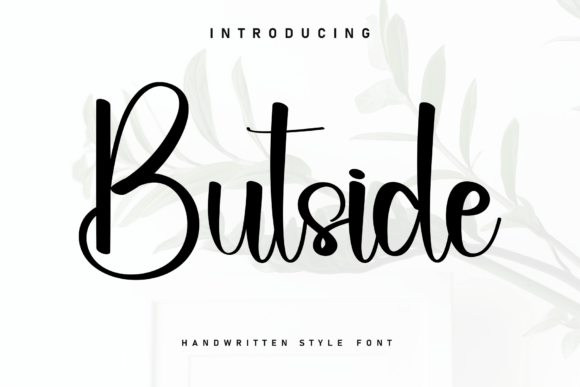
Butside: The Handwritten Font for Cozy Design
Imagine a font that doesn't just sit on the page but dances across it, infusing your work with immediate warmth and personality. Butside is exactly that—a sweet, beautiful handwritten typeface whose characters gracefully move along the baseline, offering a cozy, human touch to any creative endeavor. In a digital landscape often dominated by sterile geometry, this font provides a vital counterpoint, making designs feel approachable, authentic, and emotionally resonant.
Understanding Butside's Role in Modern Visual Design
Typography is the voice of design, and choosing the right typeface is a critical decision in graphic design and branding. Butside serves as a powerful tool for visual communication, specifically when the goal is to evoke feelings of comfort, friendliness, or artisanal quality. Its flowing, organic letterforms break the rigidity of traditional layouts, helping to establish a unique brand identity that stands out. For designers and business owners, integrating a typeface like Butside can transform a standard presentation into a memorable experience, directly impacting user engagement and brand perception.
Practical Applications Across Creative Projects
The versatility of a well-crafted handwritten font allows it to enhance numerous design workflows. Butside’s aesthetic is particularly effective in projects where personal connection is paramount. Its ability to add a "cozy accent" makes it an invaluable creative asset for:
- Branding and Logo Design: Creating logos for lifestyle brands, bakeries, blogs, or boutique shops that need to convey a personal, handmade feel.
- Marketing and Social Media Graphics: Designing eye-catching quotes, promotional banners, and Instagram stories that require an authentic, conversational tone.
- Web and UI Design: Using it for hero text, call-to-action buttons, or accent headers to soften a digital interface and improve user experience (UX).
- Editorial and Packaging Design: Adding flair to magazine layouts, book covers, or product packaging to highlight special features or ingredients.
- Digital Products and Merchandise: Enhancing e-books, planners, or custom merchandise with a distinctive, artistic touch.
Integrating Butside Effectively into Your Design Workflow
While a charming font like Butside can elevate a project, thoughtful application is key to maintaining professionalism and readability. Here are actionable tips for selecting and using this typeface effectively:
- Prioritize Readability and Scalability: Handwritten fonts excel at larger sizes for headlines but can lose clarity in long body text. Use Butside for display purposes and pair it with a clean, simple sans-serif or serif font for paragraphs to ensure a strong visual hierarchy.
- Consider Your Audience and Context: Ensure the font's playful, cozy character aligns with your audience's expectations. It’s perfect for a children's brand or a coffee shop menu but might be less suitable for a corporate law firm's annual report.
- Maintain Brand Consistency: If incorporating Butside into a brand identity, document its specific use cases. Consistency in typography reinforces brand recognition. Define when and where the handwritten style should appear to create a cohesive system.
- Test with Your Color Palette: The visual impact of typography is influenced by its surroundings. Test Butside against your brand's color palette to ensure sufficient contrast and harmony, especially for web design and print materials.
Ultimately, the strength of any design project lies in the deliberate combination of its elements—typography, color, composition, and imagery. Butside offers a distinct voice that can humanize digital interfaces and add soul to printed materials. By selecting high-quality creative assets that align with your design goals, you not only enhance the aesthetic appeal of your work but also deepen its communicative power, ensuring your message is not just seen, but felt.