Dunky Dreams: Elevating Modern Design with Handwritten Elegance
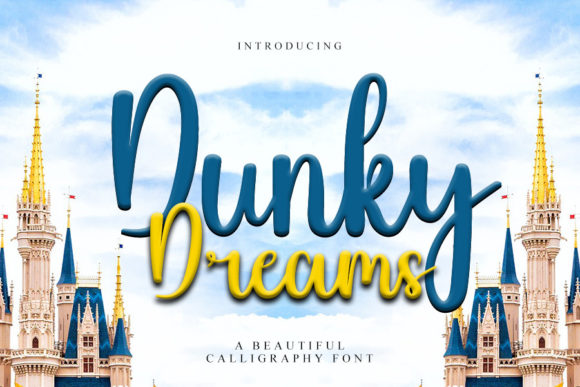
Every designer knows the search for a typeface that feels both authentic and contemporary can be a challenge. Enter Dunky Dreams, a stylish handwritten font that masterfully bridges the gap between timeless calligraphy and modern visual appeal. Its balanced weight and impeccable form make it a versatile asset for creators aiming to inject personality and professionalism into their work without sacrificing readability.
The Anatomy of a Contemporary Classic
At its core, Dunky Dreams is defined by its thoughtful construction. It’s neither too thin nor too thick, achieving a visual equilibrium that ensures legibility across various media. Inspired by classic calligraphy, each character carries a natural, flowing rhythm, yet the overall design feels fresh and current. This careful balance is what makes it so effective in today’s diverse design landscape, where a single font often needs to perform across digital screens and printed materials.
Practical Applications for Visual Impact
The true value of a font like Dunky Dreams lies in its application. Its elegant yet approachable character makes it suitable for a wide range of creative projects, helping to establish a clear and engaging visual hierarchy.
Strengthening Brand Identity
For branding and logo design, a handwritten font can communicate approachability, creativity, and human touch. Dunky Dreams can be used for a brand's primary wordmark, tagline, or supporting typography to create a distinctive and memorable brand identity. It pairs well with clean sans-serifs for body text, allowing the brand's voice to be both expressive and clear.
Enhancing Marketing and Digital Content
In digital marketing and social media graphics, grabbing attention is paramount. This font excels in creating compelling headlines, quotes, and call-to-action elements that stand out in a crowded feed. Its organic feel adds a layer of authenticity to advertising campaigns and promotional materials, fostering better user engagement.
Refining Editorial and Web Design
Within editorial design and web design, typography is a key component of the user experience (UX). Dunky Dreams can be used strategically for section headers, pull quotes, or featured text to break up monotonous layouts and guide the reader's eye. In UI design, it can add a touch of personality to specific interface elements without compromising overall usability.
From Packaging to Presentations
The font's versatility extends to physical products and professional settings. In packaging design, it can convey artisanal quality or playful charm. For presentations, it helps create slides that are more visually interesting and less corporate, aiding in clearer visual communication. It’s equally effective on merchandise, digital products, and within any creative project requiring a personal touch.
Integrating Quality Typography into Your Workflow
Selecting the right typeface is just one step. To maximize its effect, consider these factors:
- Consistency is Key: Use the font consistently within a project to build a cohesive visual language. Define its role—whether for headlines, accents, or body text—and stick to it.
- Prioritize Readability: While style is important, never sacrifice legibility. Test the font at the intended size and on the target medium, be it a mobile screen or a printed brochure.
- Build Visual Hierarchy: Use weight, size, and color to create clear layers of information. A font like Dunky Dreams is perfect for creating focal points that draw the viewer in.
- Ensure System Compatibility: Check that your chosen font complements your existing color palette, imagery, and other typographic elements. A harmonious design system is more professional and effective.
Thoughtful typography is a cornerstone of successful visual design. It influences mood, directs attention, and communicates unspoken nuances about a brand or message. Investing in high-quality creative assets like Dunky Dreams is an investment in the clarity and impact of your communication. By aligning your font choices with your design goals and audience expectations, you elevate not just the aesthetics of your projects, but their overall effectiveness and resonance.