French Bread Font: A Handwritten Style for Authentic Design
The Role of Handwritten Fonts in Modern Graphic Design
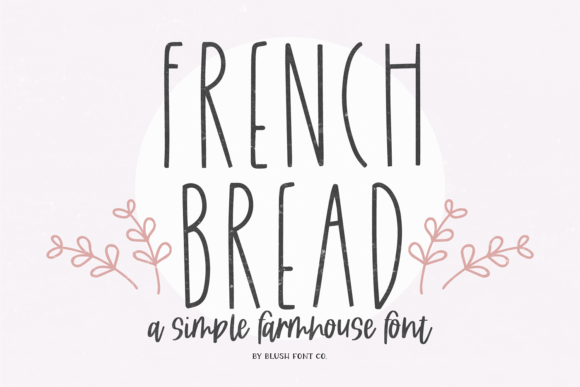
Typography is a cornerstone of visual design, directly influencing mood, readability, and brand identity. In an era saturated with clean, geometric sans-serifs, a font like French Bread offers a strategic counterpoint. It injects warmth, personality, and a sense of handcrafted care into a project. This aligns perfectly with current design trends that prioritize authenticity, storytelling, and human-centric experiences. Whether you're working on a complete brand identity system, crafting social media graphics, or designing product packaging, the right typeface sets the emotional tone before a single word is read.
Practical Applications Across Creative Projects
The utility of a font like French Bread extends across numerous design disciplines. Its legible yet casual style makes it particularly effective where a friendly, approachable, or nostalgic feel is desired. Consider its application in these key areas:
- Branding and Logo Design: For brands targeting families, artisans, bakeries, cafes, or educational services, French Bread can form the core of a warm and welcoming logo. It communicates approachability and tradition, helping to build an immediate emotional connection with customers.
- Marketing and Social Media Content: In digital marketing, stopping the scroll is paramount. Handwritten fonts are excellent for creating eye-catching headlines, quotes, and call-to-action text in social media graphics, email headers, and digital ads. They break the monotony of standard corporate fonts, boosting user engagement.
- Editorial and Packaging Design: In print design, French Bread can add personality to magazine pull-quotes, book chapter headings, or menu descriptions. For packaging design, it’s ideal for labels on artisanal goods, gift tags, or product names that need to convey a homemade or boutique quality.
- Web and UI Design: When used judiciously, such a font can enhance user experience (UX) by highlighting key messages or creating distinct sections in a website layout. It works well for short bursts of text in hero sections, testimonials, or blog post titles, adding visual hierarchy without compromising overall usability.
Integrating French Bread Effectively into Your Design Workflow
Simply choosing a charming font is not enough; its effectiveness depends on thoughtful implementation. A professional presentation requires considering how any creative asset integrates with your existing design system. Always evaluate a font's scalability and readability across different sizes and media. A handwritten style like French Bread is best used for display purposes—headlines, subheads, and short phrases—rather than for long-form body copy where legibility at small sizes is critical.
For a polished result, pair it with a clean, neutral typeface for body text to maintain visual hierarchy and ensure your message is communicated clearly. Consider your color palette; French Bread pairs beautifully with earthy tones, pastels, or classic black and white to enhance its authentic feel. Before finalizing, test it in context. Mock up your design on a business card, a website mockup, and a social media post to ensure it maintains its charm and effectiveness across all touchpoints.
Ultimately, the power of thoughtfully chosen typography lies in its ability to elevate both the aesthetics and the communication of a project. Quality creative assets like French Bread are more than decorative elements; they are strategic tools. By selecting typefaces that align with your brand's voice and your audience's expectations, you craft more compelling narratives, build stronger brand identities, and create designs that resonate on a human level. Investing in the right typographic resources is an investment in clearer, more impactful, and more memorable visual communication.