Meringue Font: The Quirky Handwritten Trend in Design
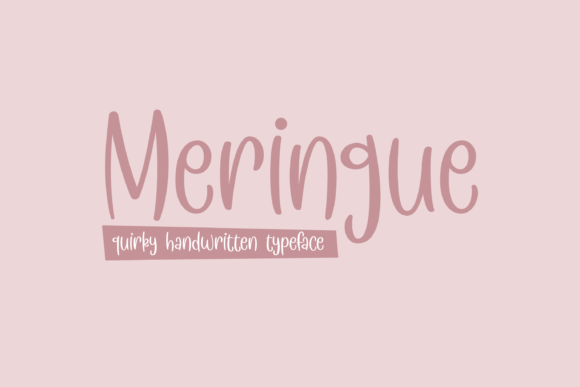
In a digital landscape saturated with clean, geometric sans-serifs, a single font can inject immediate warmth and personality into your work. Enter Meringue, a quirky and trendy handwritten font that has become a secret weapon for designers seeking authenticity and charm. Its fluid, organic letterforms offer a delightful contrast to rigid digital typography, making it a wonderful asset to any font library with the potential to enhance a multitude of creative projects.
Understanding the Visual Impact of Handwritten Typography
Typography is a cornerstone of visual communication, and the choice of typeface profoundly influences tone and perception. Handwritten fonts like Meringue are not just decorative; they are strategic tools in modern graphic design. They evoke feelings of authenticity, approachability, and human touch, which can be crucial in building a relatable brand identity. In an era where consumers crave genuine connections, leveraging such expressive typography can significantly strengthen your visual design narrative.
Practical Applications Across Creative Projects
The versatility of a font like Meringue allows it to shine in numerous applications, seamlessly blending with various design goals and audience expectations. Its playful yet legible script is perfect for creating focal points and adding a layer of sophistication.
- Branding and Logo Design: For businesses in lifestyle, artisanal, or creative sectors, Meringue can form the core of a memorable logo, conveying uniqueness and care.
- Marketing and Social Media Graphics: Its eye-catching style is ideal for call-to-action buttons, quotes, or promotional banners on platforms like Instagram, where standing out is key.
- Packaging and Editorial Design: Use it for product names, taglines, or chapter headings to create a tactile, premium feel that enhances the unboxing experience or reader engagement.
- Web and UI Design: When used sparingly for headlines or special accents, it can guide user experience by highlighting key information without compromising overall readability.
Integrating Expressive Fonts into Your Design Workflow
Successfully incorporating a characterful font like Meringue requires thoughtful consideration of design principles. It’s about balance, not just beauty. Here are actionable tips for evaluation and use:
- Prioritize Readability and Scalability: Test the font at various sizes. A charming script that becomes illegible in a small UI button fails its purpose. Ensure it scales well for both digital screens and print design.
- Establish Visual Hierarchy: Pair Meringue with a neutral, complementary typeface (like a simple sans-serif) for body text. This creates a clear hierarchy, allowing the handwritten font to command attention as a headline or accent without causing visual clutter.
- Align with Brand Consistency: Your font choice must resonate with your overall color palette, imagery, and brand voice. A quirky font works for a playful brand but may clash with a corporate, formal identity.
- Consider the Audience: Understand your target user’s expectations. A design for a children’s workshop versus a luxury bakery will dictate how and where such expressive typography is best applied.
Ultimately, the power of a tool like Meringue lies in its ability to transform standard designs into compelling stories. In the pursuit of polished, professional results, every detail—from the curve of a letter to its pairing with other visual elements—contributes to a cohesive and engaging experience. Thoughtful selection of creative assets is not an afterthought but a fundamental step in a design workflow that values both aesthetics and effective communication, ensuring your work resonates deeply and leaves a lasting impression.