The Handwritten Charm of Pet Care in Modern Design
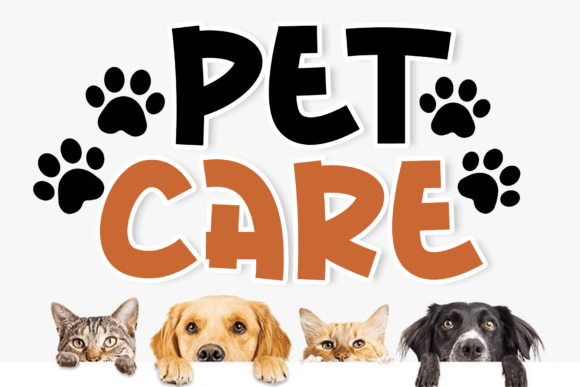
In a digital landscape saturated with sterile, geometric fonts, the authentic warmth of a handwritten script can be the single most powerful tool to capture attention. The Pet Care font is a prime example of this timeless appeal, offering a lovely and fluid typeface that infuses any project with personality. It is the best choice for creating eye-catching logos, branding, and quotes because every letter possesses a unique, organic touch that makes a design feel human and approachable.
The Role of Authentic Typography in Branding
Typography is rarely just about legibility; it is about evoking specific emotions and setting the visual hierarchy of a design. For graphic designers and business owners, selecting the right font is a critical decision in brand identity. A typeface like Pet Care moves beyond standard communication; it tells a story. Its flowing curves and distinct character make it ideal for visual design projects that require a personal connection, such as boutique branding or artisanal product packaging.
Practical Applications for Visual Impact
The versatility of a high-quality handwritten script extends across various creative assets. Whether you are working on digital marketing campaigns or physical print design, the right typography ensures consistency and emotional resonance. Consider utilizing this style for:
- Logo Design: Creating a signature look that stands out from corporate block letters.
- Social Media Graphics: Adding a personal touch to Instagram stories, quotes, and promotional banners to boost user engagement.
- Packaging Design: Enhancing the perceived value of products with elegant, hand-lettered labels.
- Web Design and UI: Using decorative fonts for headers or call-to-action buttons to guide the user experience without sacrificing modern aesthetics.
- Editorial Layouts: Breaking up dense text blocks with expressive pull quotes that draw the reader’s eye.
Strategic Use of Creative Assets
While a font like Pet Care offers immense design inspiration, its effectiveness relies on strategic application. In professional presentation and visual communication, less is often more. To maintain readability and a polished result, it is best to pair expressive handwritten fonts with clean, sans-serif typefaces. This contrast creates a dynamic visual hierarchy that guides the viewer through the content effortlessly.
When evaluating creative resources for your design workflow, consider scalability. A font must look just as good on a massive billboard as it does on a mobile screen. Furthermore, ensure the color palette complements the organic nature of the script; soft neutrals or bold, contrasting colors can both work, provided they align with the broader design trends and the brand's core message.
Ultimately, the goal of any design project is to communicate a message effectively while leaving a lasting impression. By integrating thoughtful typography and high-quality creative assets into your workflow, you bridge the gap between simple information and compelling storytelling. The right visual elements do not just decorate a page; they build trust, establish credibility, and elevate the entire user experience.